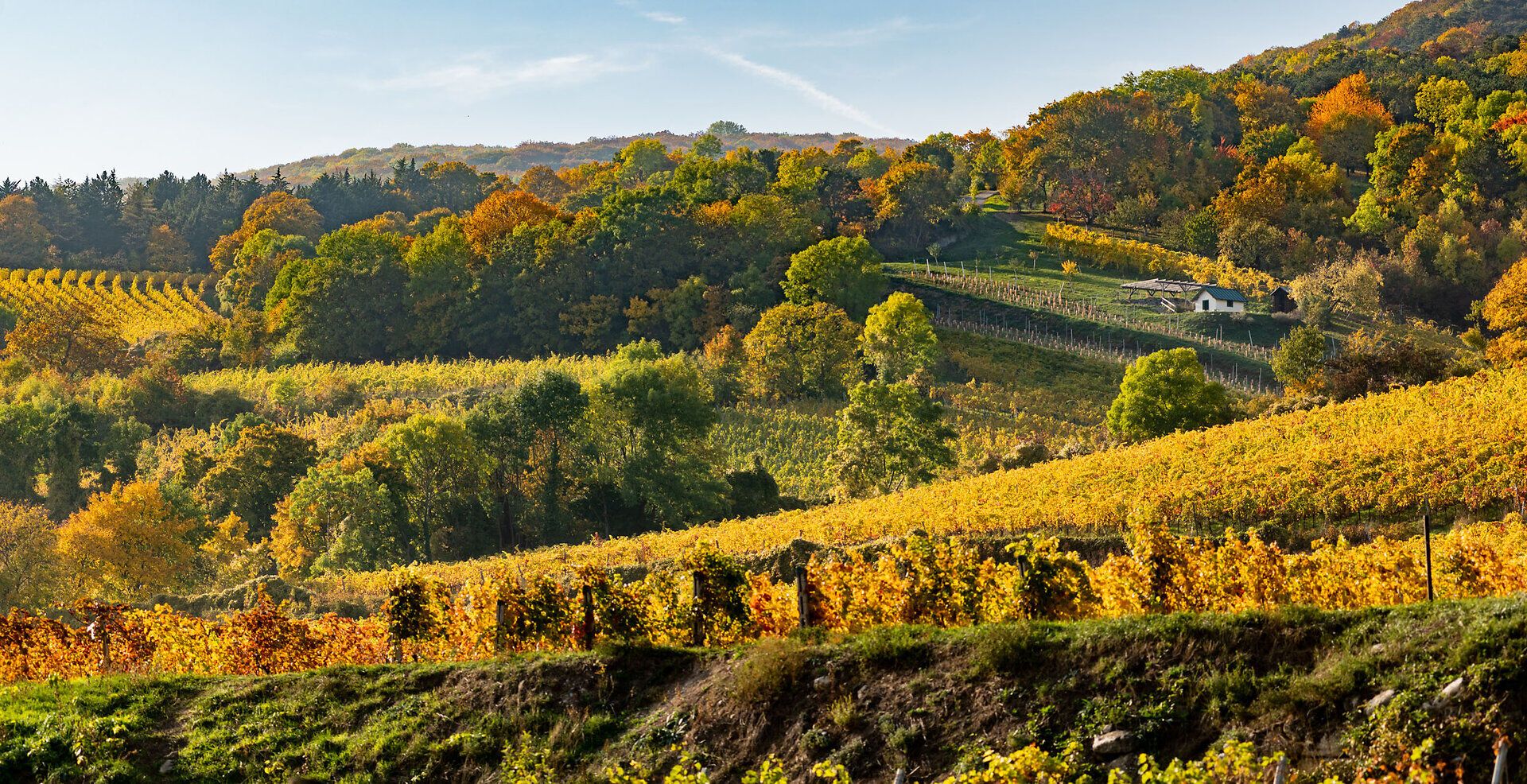
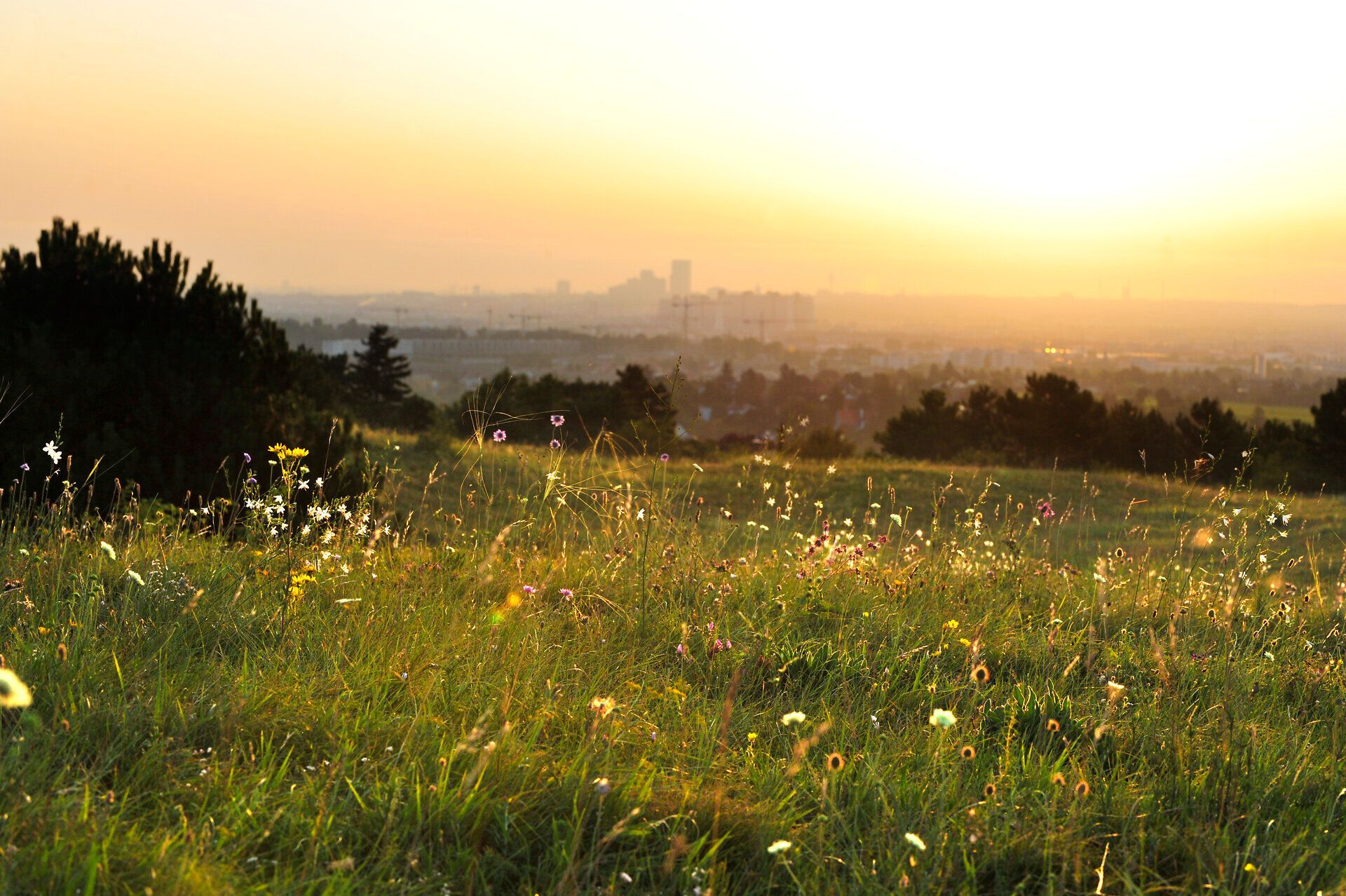
• Die sanften Hügel des Naturparks Föhrenberge erstrahlen im warmen Licht der Abendsonne, während bunte Wildblumen das grüne Gras schmücken. Ein Gefühl von Ruhe und Freiheit durchzieht die Luft, perfekt für einen entspannten Sommerabend in der Natur.
    ©© Naturparke Niederösterreich/Robert Herbst

Facts about the Föhrenberge Nature Park

The Föhrenberge Nature Park is one of the Vienna Woods’ most distinctive natural and recreational areas. Gentle hills, steep rock faces, sparse pine forests,  cool deciduous woods, species-rich, colourfully flowering dry grasslands and meadows, and richly structured vineyards all combine here to form a distinctive natural and cultural landscape that provides a valuable habitat for numerous rare animal and plant species. At the same time, the nature park is a place where people from the region, as well as visitors, can consciously experience, understand and enjoy nature.

  • 0
    Nature reserve in hectares
  • 0
    Butterfly species
  • 0
    Nature Park municipalities
  • 0
    Residents
Die sanften Hügel der Weinregion sind in warmen Herbsttönen getaucht, während die Reben in voller Pracht stehen. Einladende Weinstände und fröhliche Gesichter versprechen genussvolle Stunden bei der Weinherbst-Veranstaltung. Hier wird die Tradition des Weinbaus lebendig und lädt zum Verweilen ein.
©© Wienerwald Tourismus GmbH/Christian Dusek

6,600 hectares of nature park

The 6,600-hectare Föhrenberge Nature Park thrives on its contrasts and transitions: gentle hills give way to steep slopes and rugged rock faces, such as those at the Mödlinger Klause, sun-drenched habitats such as the dry grasslands of the pasturelands, the expansive wine-growing landscape with stone walls and embankments, and sparse black pine and oak forests give way to cool, damp woodland ditches with beech forests. Together, they form an exceptionally diverse landscape and create a closely interwoven mosaic of habitats.

Today’s diversity is no accident: it is the result of an interplay between nature and human activity that has developed over millennia. Traditional farming practices such as viticulture, extensive grazing and haymaking have shaped this valuable cultural landscape. Today, the nature park is actively committed to preserving these habitats and developing them with care. At the same time, the region offers a wide range of opportunities to experience nature first-hand, find peace and quiet, and enjoy sustainable recreation.

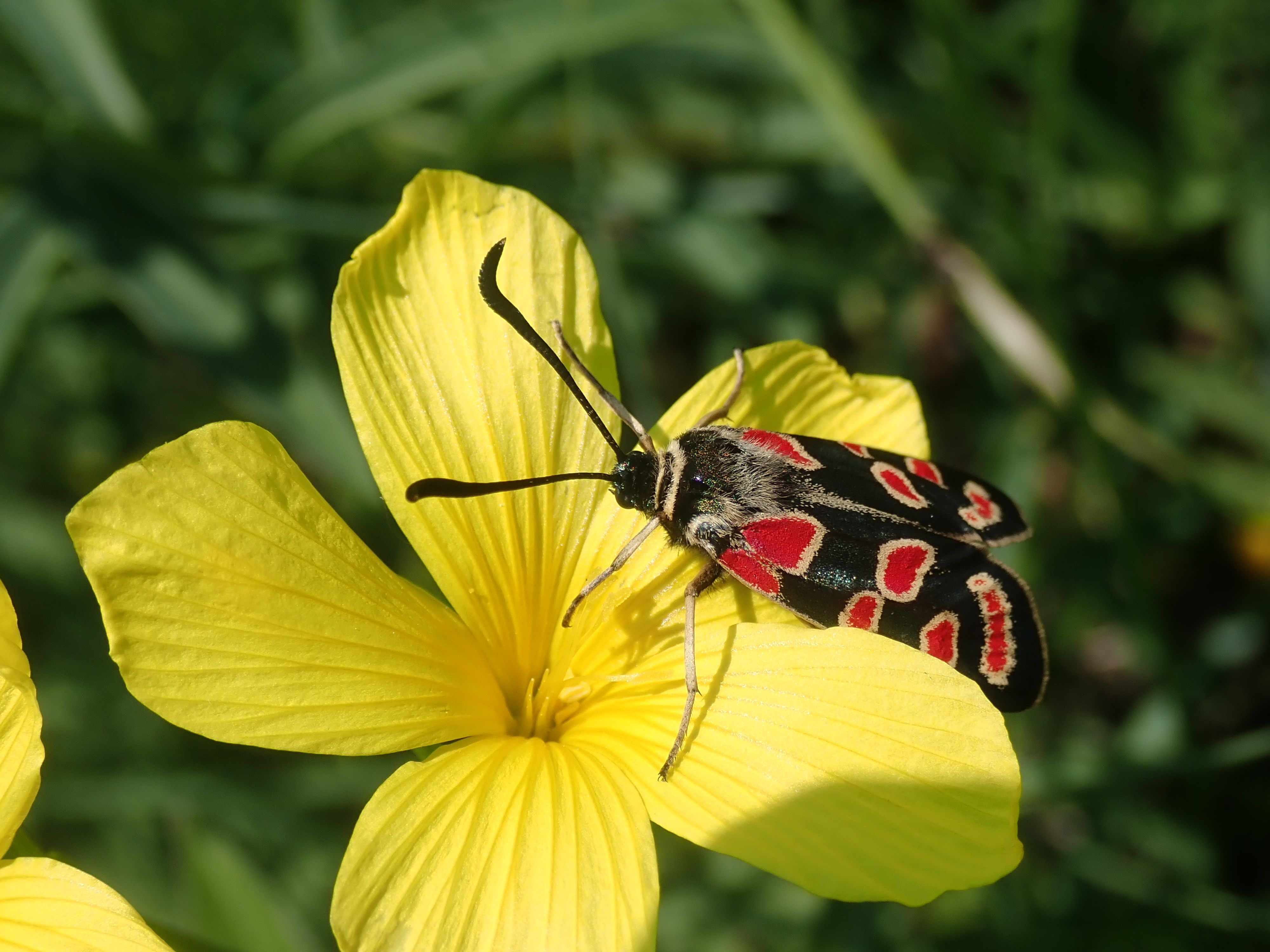
Gelber Lein (Linum flavum), Krainer Widderchen (Zygaena carniolica)
©LPV/I. Drozdowski

More than 1,200 species of butterfly

On the Perchtoldsdorfer Heide alone – a biodiversity hotspot within the Föhrenberge Nature Park – over 1,200 butterfly species have been recorded – an impressive proportion of the approximately 4,000 species found in Austria.  This figure highlights the high ecological quality of the habitats, as butterflies are particularly sensitive to changes and are regarded as important indicators of an intact natural environment.

Sunny dry grasslands, nutrient-poor meadows and hilltops in particular offer ideal conditions: here, the butterflies find nectar, suitable places to lay their eggs and food plants for their caterpillars. Through targeted management, grazing and nature conservation measures, efforts are being made to preserve and enhance these sensitive habitats – both as habitats for numerous specialised species and as a nature experience for visitors.

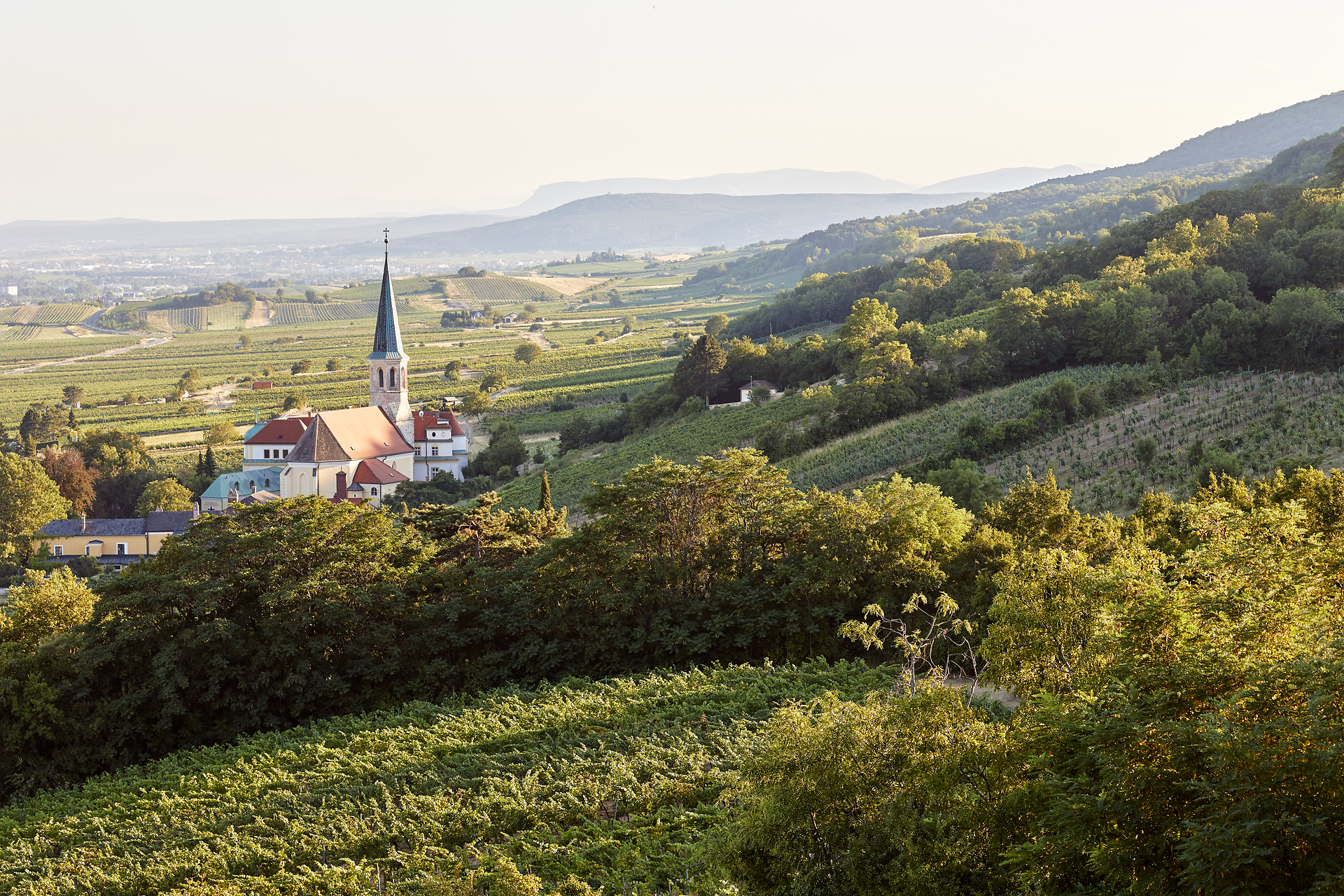
HD_Genuss_X8A2957.tif
©© Niederösterreich Werbung/Hauke Dressler

11 nature park municipalities

Stretching from Kaltenleutgeben to Gumpoldskirchen, and from Mödling to the municipality of Wienerwald, the Föhrenberge Nature Park encompasses eleven dedicated nature park municipalities.  With around 85,000 residents, the nature park is one of the most populous nature parks in Austria. This makes the close cooperation between the municipalities all the more important: it forms the basis for the nature park’s development and enables joint projects in the areas of nature conservation, environmental education, sustainable tourism and regional development. A visible sign of this cooperation is the Nature Park Charter, signed in 2025, which underlines the shared commitment to the protection and future-oriented development of the region.

The nature park municipalities that share the nature park’s land area are Kaltenleutgeben, Perchtoldsdorf, Brunn am Gebirge, Maria Enzersdorf, Gießhübl, Hinterbrühl, Mödling, Gumpoldskirchen, Guntramsdorf, Wienerwald and Gaaden. Five further municipalities in the surrounding area – Laab im Walde, Achau, Biedermannsdorf, Vösendorf and Wiener Neudorf – are also members of the nature park. Together, all these municipalities contribute to preserving the nature park region as a valuable habitat for both nature and people.

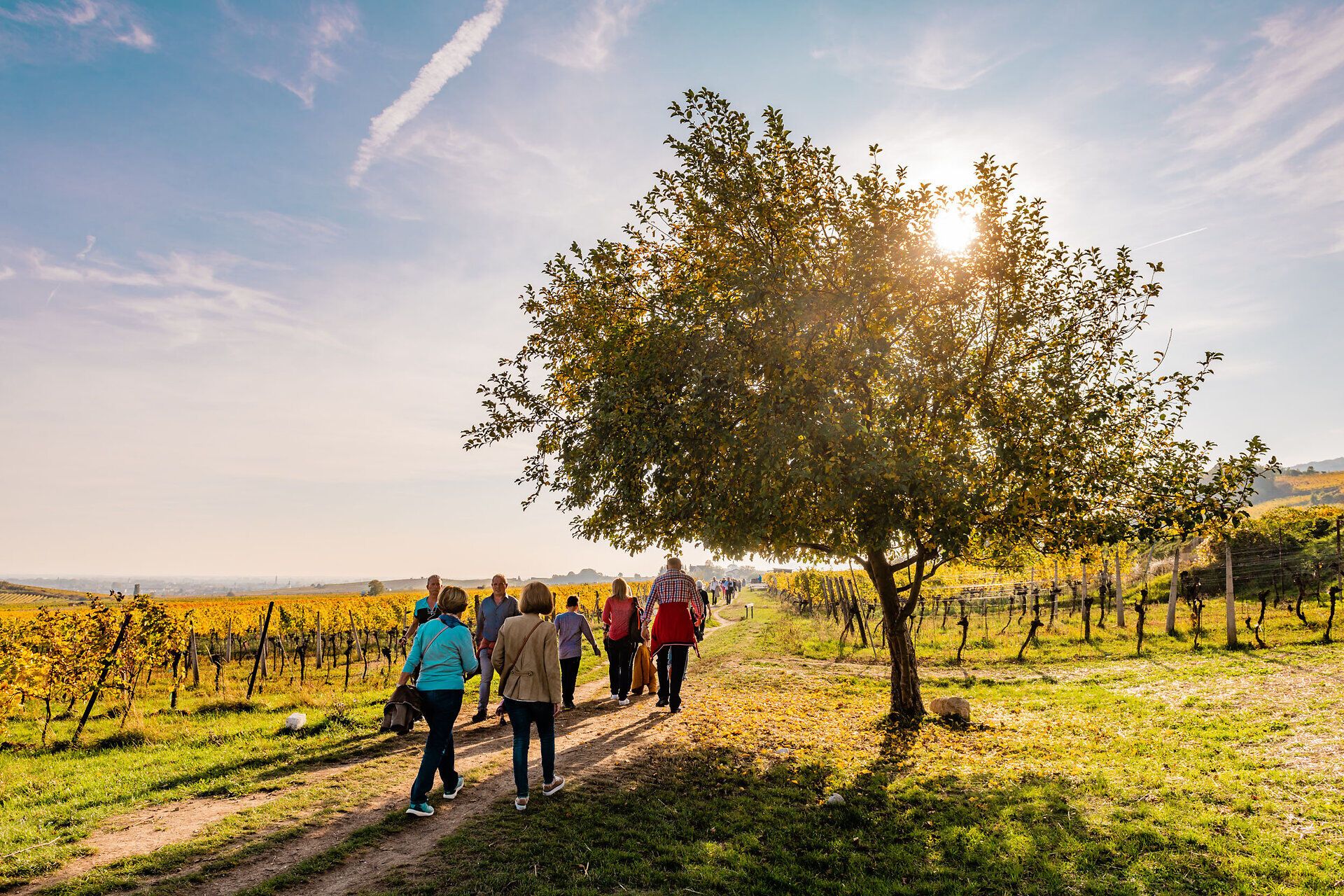
In der goldenen Herbstsonne schlendern fröhliche Besucher durch die malerischen Weinberge, umgeben von leuchtend bunten Blättern. Der Duft von frischem Wein und die herzliche Atmosphäre laden dazu ein, die regionalen Köstlichkeiten zu genießen und die Schönheit der Natur zu erleben.
©© Wienerwald Tourismus GmbH/Christian Dusek

More than 84,000 residents

With a population of more than 84,000, the nature park also faces a major challenge: how can the pressure of human use be reconciled with the protection and long-term conservation of nature?
Every walk, every mountain bike ride and every leisure activity undertaken by the public also has an impact on the natural environment. At the same time, the nature park offers these people a valuable break and a chance to relax – thereby promoting physical and mental well-being, providing educational opportunities and the chance to experience biodiversity at first hand. Striking a balance between careful, responsible use and the preservation of species-rich natural and cultural landscapes – which also form the basis of people’s livelihoods – therefore requires careful planning and visitor management, sustainable facilities, and intensive awareness-raising among young and old alike regarding their responsibility towards flora, fauna and historic landscapes.