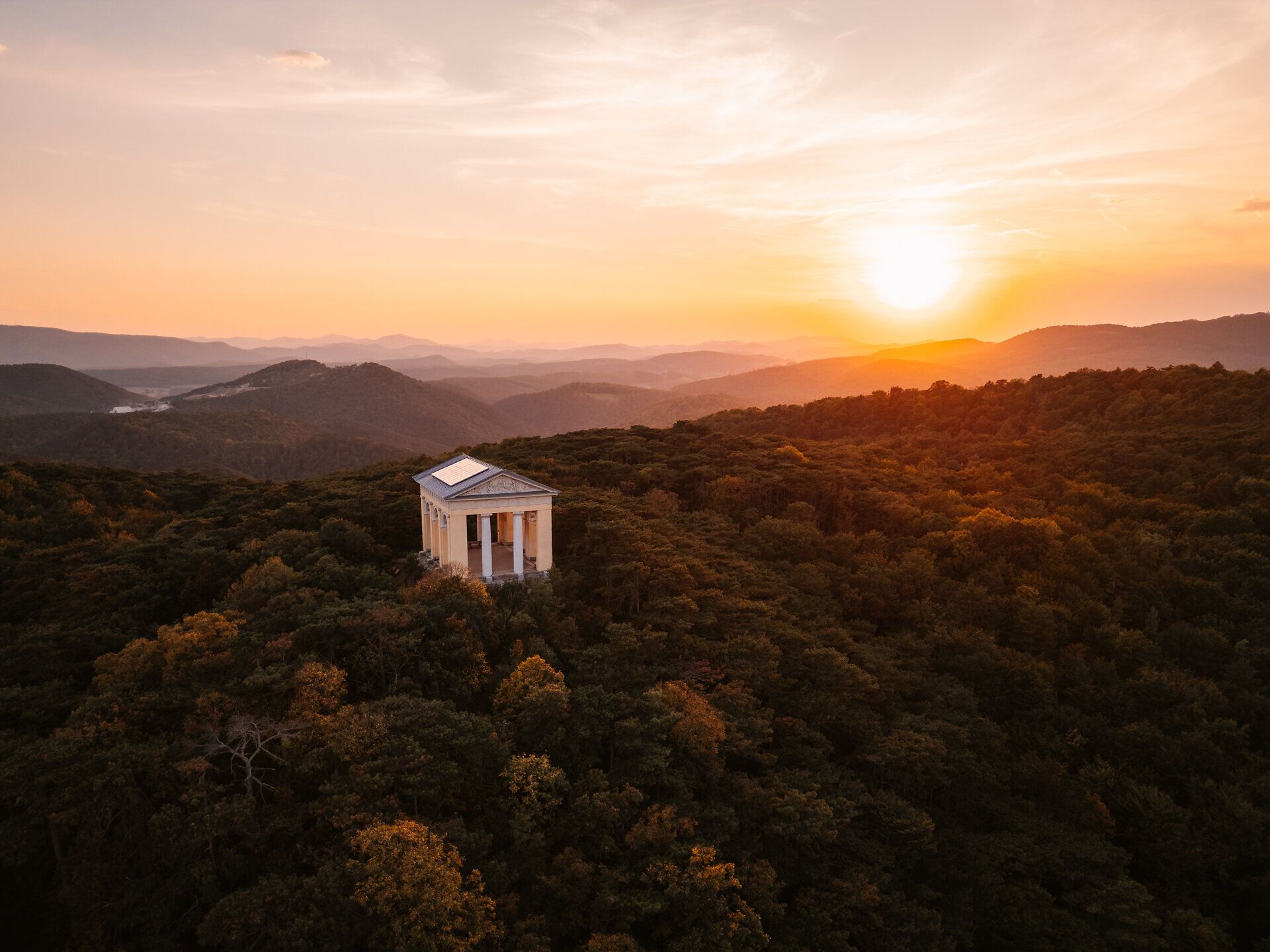
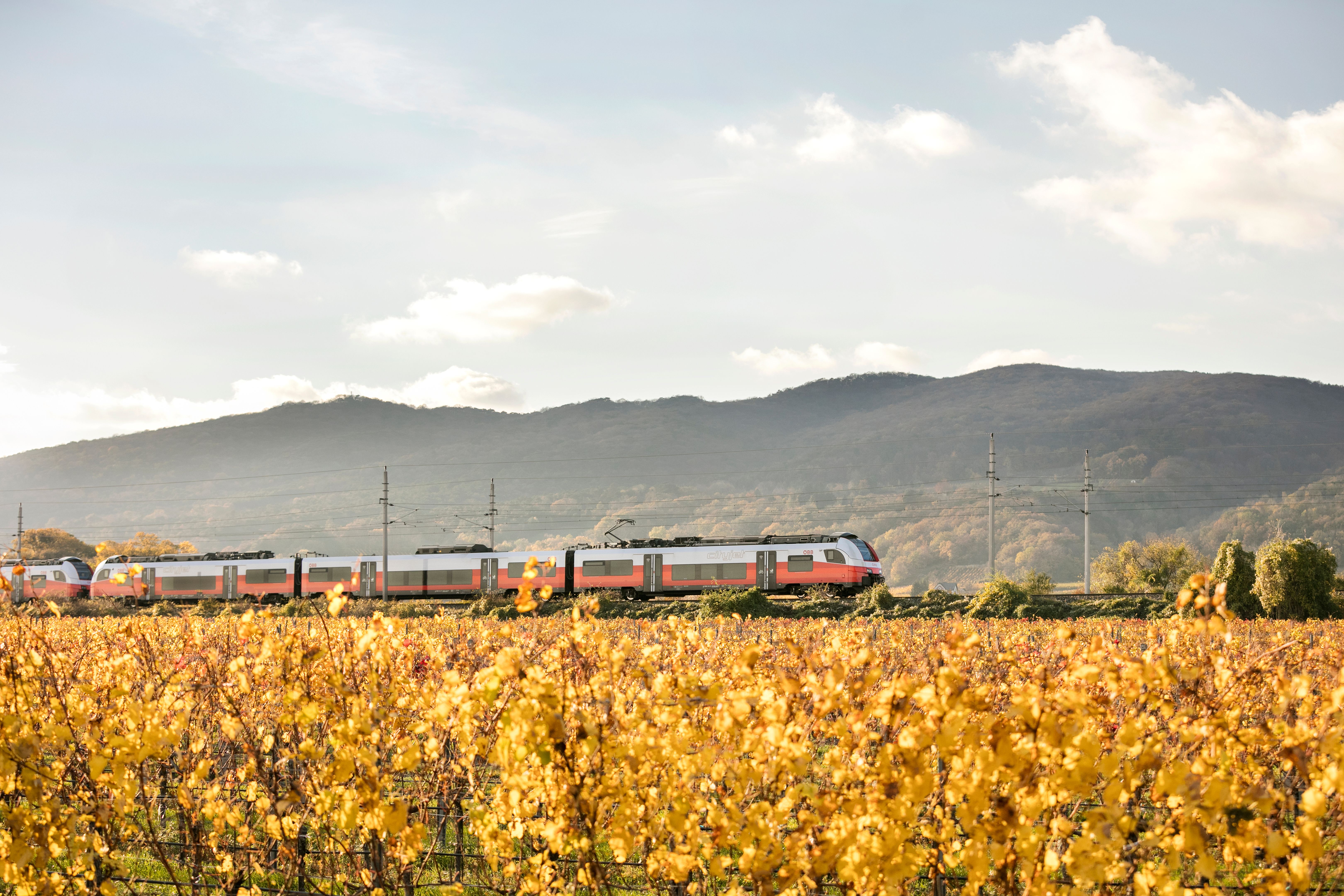
A nature park is a cultural landscape shaped by human activity, the diversity of which is to be preserved through nature-friendly and sustainable use. It combines conservation, recreation, education and regional development, and serves as a model region for sustainability.
The Föhrenberge Nature Park focuses its projects on these four pillars of nature parks.
Conservation
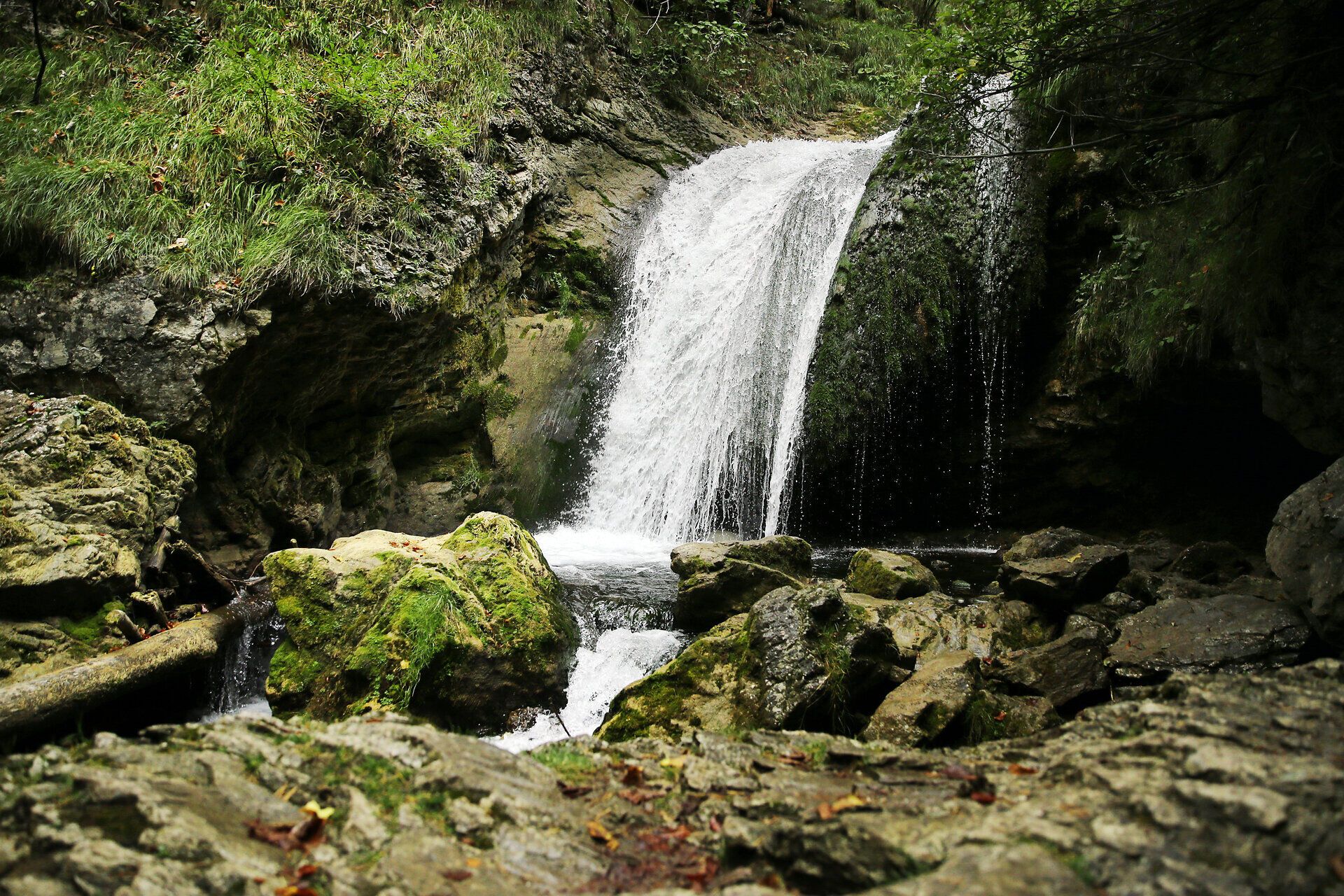
: Through projects such as combating the invasive Chinese toon tree in the Föhrenberge Nature Park, collaboration with local authorities and organisations on landscape conservation work in the distinctive hay meadow and dry grassland areas, projects to connect habitats, and the conservation of special species such as the European ground squirrel, the nature park is committed to preserving its characteristic habitats and species.
Recreation
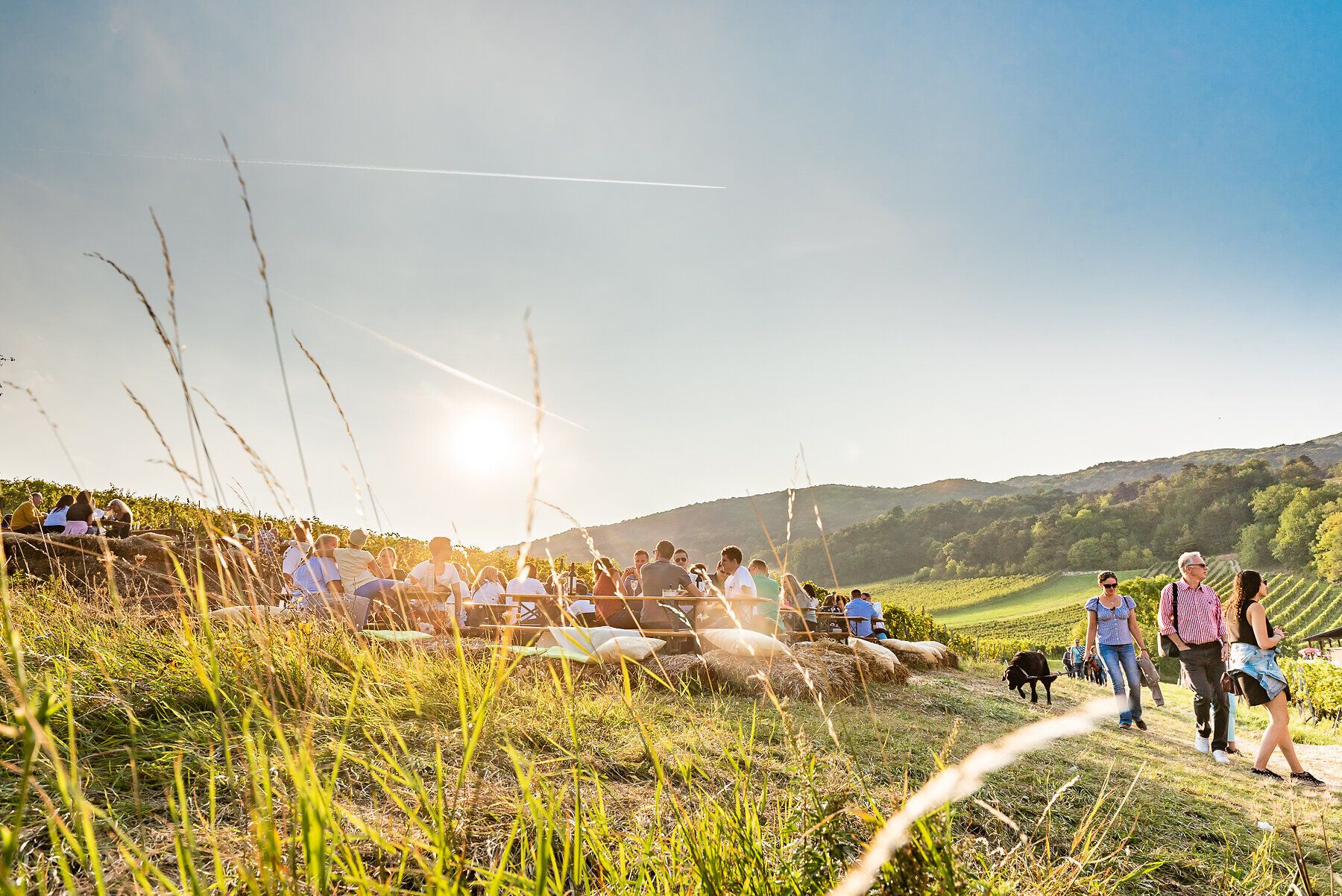
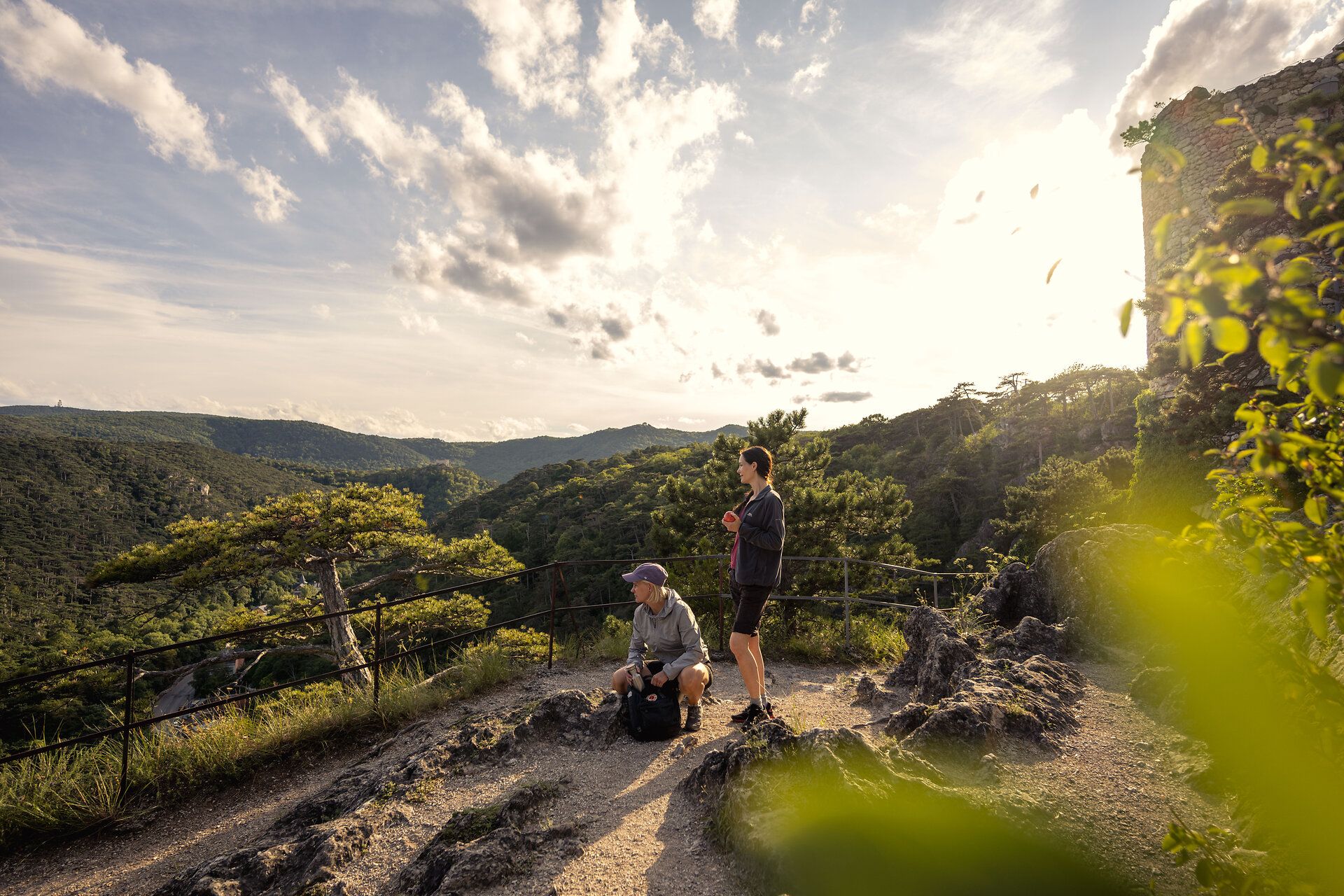
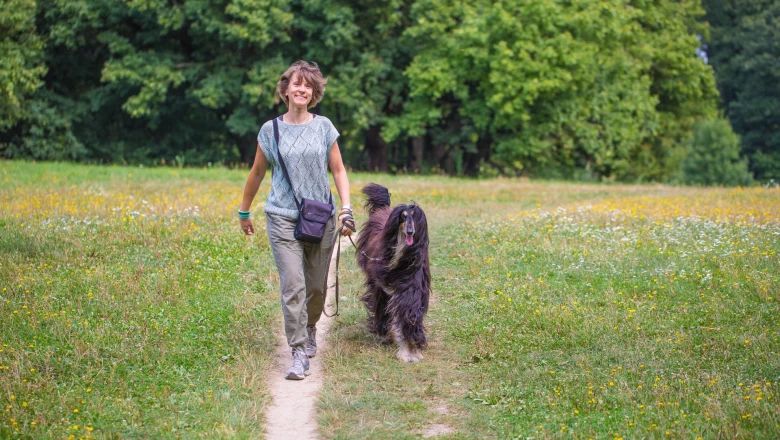
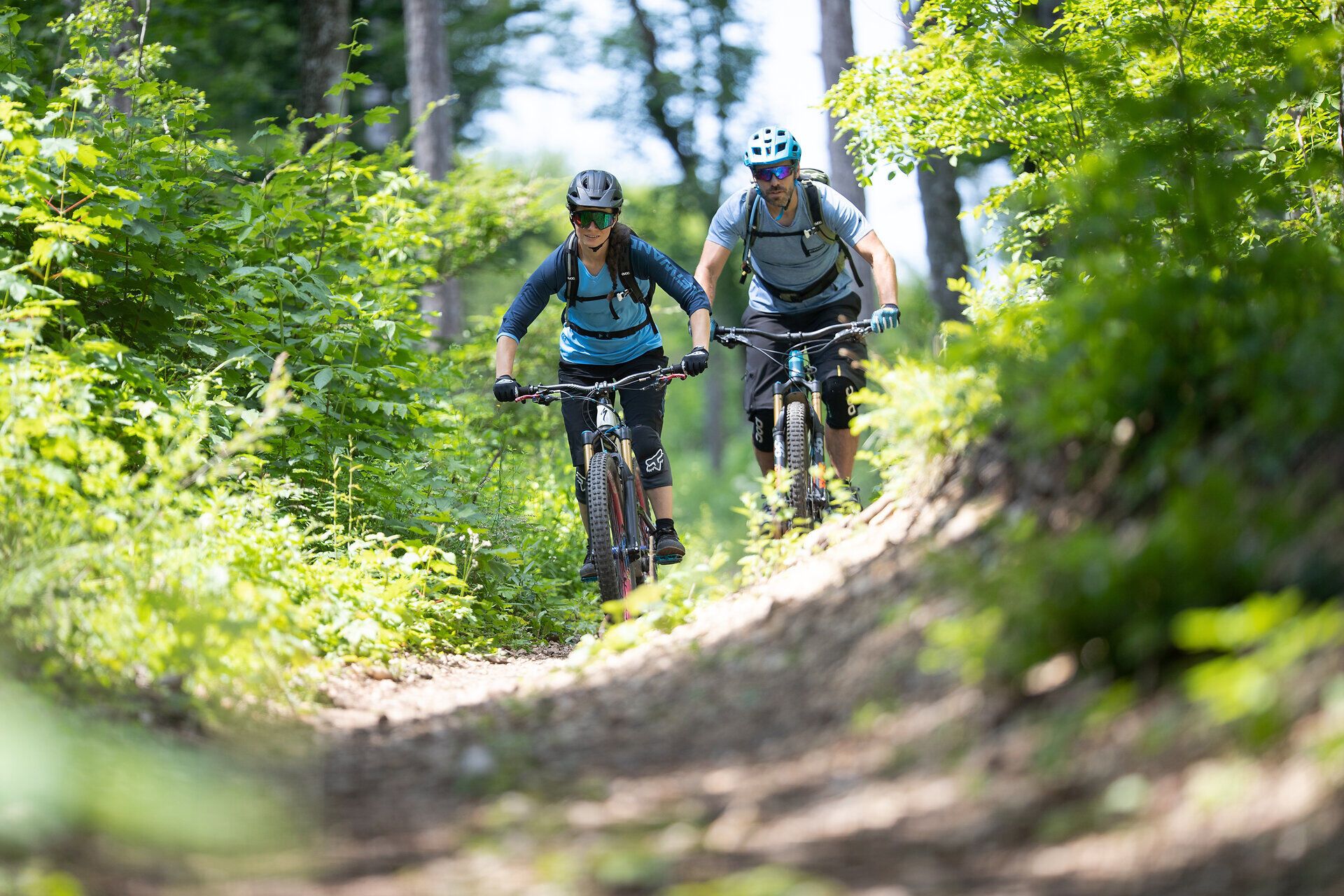
The Föhrenberge Nature Park serves as a living and recreational space for thousands of people, offering tranquillity and the chance to experience nature. By maintaining nature-friendly paths, installing signposts and information boards, and providing litter bins and benches, the nature park, together with local authorities and landowners, offers visitor guidance and infrastructure that supports and facilitates nature-friendly recreation.
Education
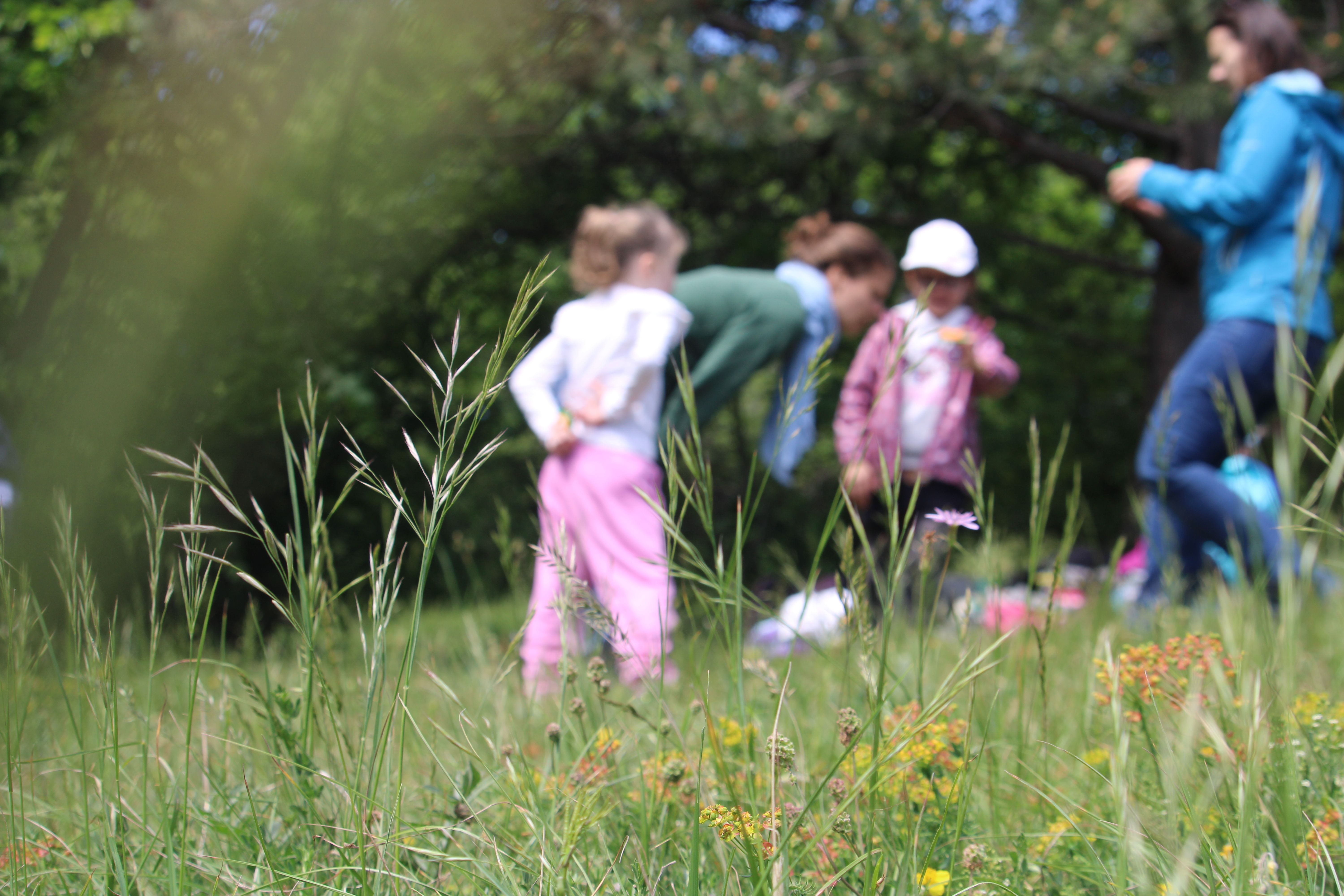
Nature and environmental education are particularly close to the heart of the Föhrenberge Nature Park, and the focus is especially on the youngest members of society, with the aim of fostering enthusiasm and awareness for the nature on their doorstep, its value and its protection. The nature park therefore works closely with educational institutions in the nature park’s local authorities and organises annual nature park days for all Year 3 classes in primary schools. Six educational institutions have already been accredited as ‘Nature Park Schools’ or ‘Nature Park Nurseries’ and work even more closely with the Nature Park as part of this partnership.
Regional
Development The Nature Park collaborates with regional businesses operating sustainably to support both local producers and land management practices that help preserve the valuable cultural landscapes. In 2025, the first ‘Nature Park Speciality Business’ was awarded this status – with more to follow.