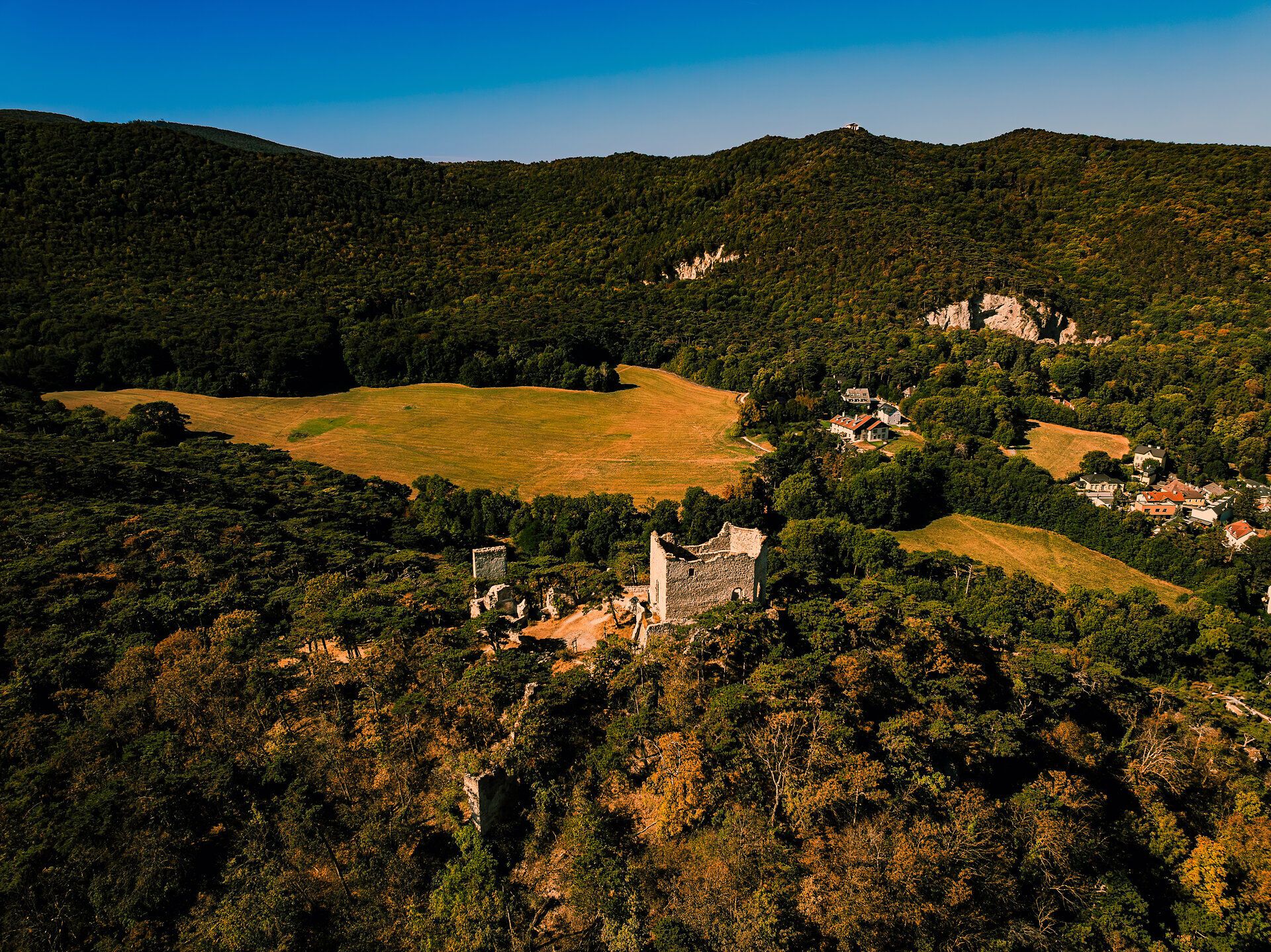
• Die Burgruine Mödling thront majestätisch über der sanften Hügellandschaft des Wienerwaldes. Umgeben von üppigem Grün und blühenden Wiesen, lädt die malerische Kulisse zu einem unvergesslichen Ausblick ein. Hier spürt man die Ruhe der Natur und die Geschichte, die in den alten Mauern lebendig wird.
    ©© Wienerwald Tourismus/Sascha Schernthaner

A landscape steeped in history (and stories)

Fragrant black pine forests, sun-drenched limestone cliffs and romantic castle ruins – the landscape of the Föhrenberge Nature Park has been captivating visitors for centuries. What today appears to be a naturally formed idyll has been shaped and moulded by people over generations. Princes, empresses and kings, famous artists and dedicated conservationists have all left their mark here. Embark on a journey through the eventful history of this unique cultural landscape.
  • 0
    Prince Liechtenstein acquires the Mödling estate
  • 0
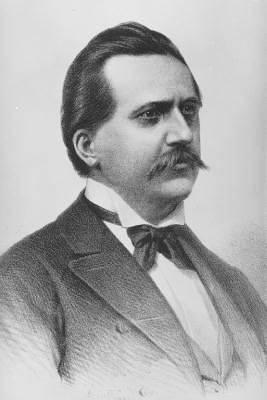
    Josef Schöffel is fighting for the Vienna Woods
  • 0
    Establishment of the Föhrenberge Nature Park
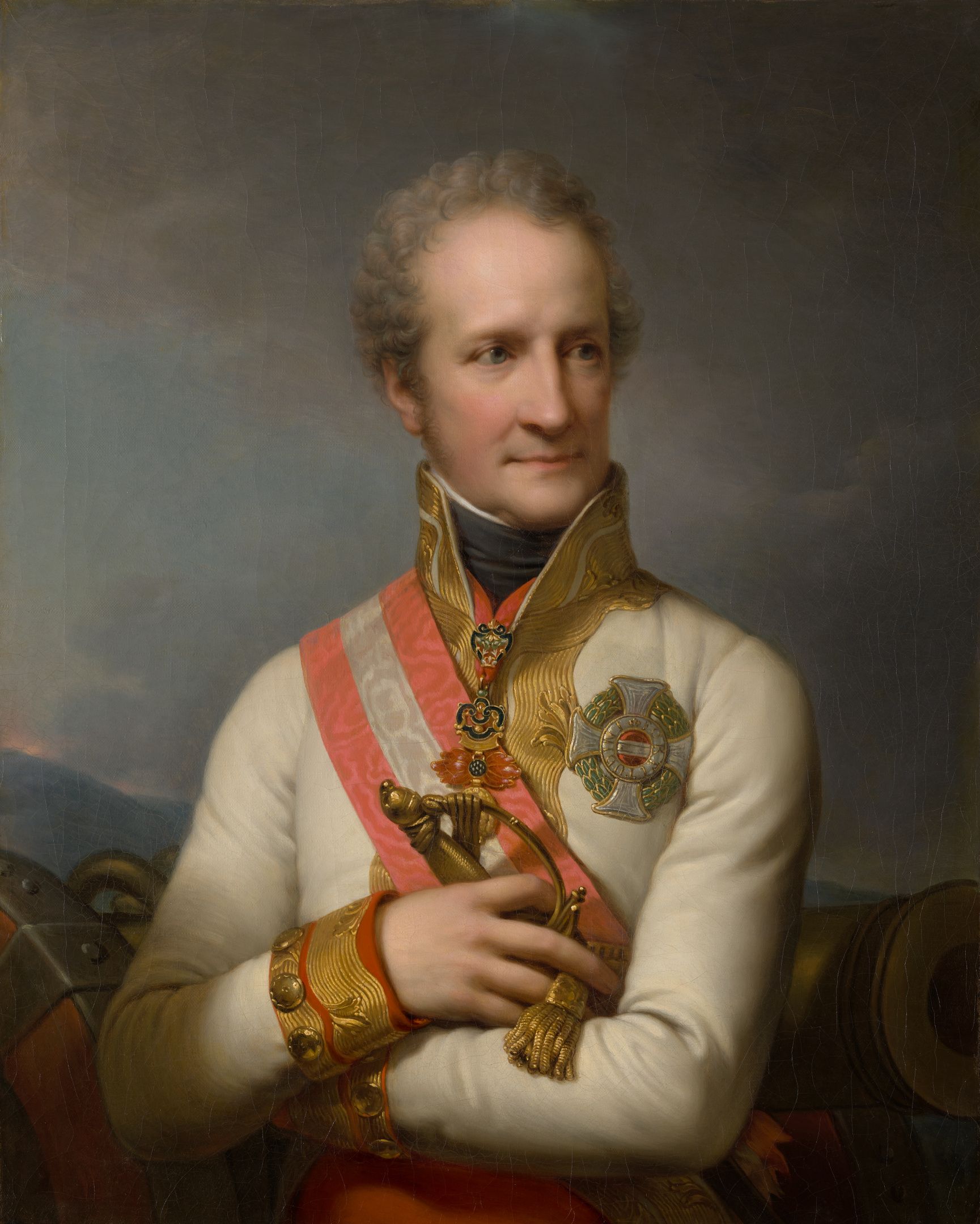
Porträt von Fürst Johann I. von Liechtenstein
©LIECHTENSTEIN. The Princely Collections, Vaduz–Vienna

When Prince Liechtenstein redesigned the landscape

The history of what is now known as the Föhrenberge is closely linked to Prince Johann I of Liechtenstein. On 24 December 1807, he acquired the Lordship of Burg Mödling, Liechtenstein Castle and extensive estates to the west of Mödling. This marked the beginning of a comprehensive transformation of the landscape.

At that time, many of the slopes were bare, rocky and covered with sparse vegetation. They were used primarily as pastureland. Prince Johann had the dry, karstified slopes afforested and numerous paths and viewing points created. Even soil and water had to be carried up to the higher ground by forest workers to nourish the young trees.

The characteristic black pines, in particular, continue to shape the landscape to this day. With their spreading crowns, dark trunks and unmistakable scent, they have become the symbol of the Föhrenberge.

Romantic buildings nestled amongst pine trees and rocks

Prince Johann I of Liechtenstein wanted not only to create forests, but also a landscape that would inspire wonder and encourage visitors to linger. Inspired by the Romantic landscape design of his time, he had temples, towers and artificial ruins erected at striking vantage points.

Among the best-known structures is the Hussar Temple on the Kleiner Anninger. Originally known as the ‘Temple of Military Glory’, it is regarded as one of Austria’s oldest war memorials. The Black Tower, the amphitheatre and the artificial ruins on the Rauchkogel and Johannstein were also created as part of this landscaping project.

A sprawling parkland with winding paths, a dairy farm and other buildings developed around the ruins of Mödling Castle. Many of these historical traces can still be discovered today on a walk through the nature park.

“I wander here amongst the mountains, gorges and valleys with a sheet of music.”

Ludwig van Beethoven, über seine Aufenthalte in der Mödlinger Landschaft

Where famous artists found inspiration

It was not only the aristocracy and day-trippers who were captivated by the Föhrenberge. Numerous artists, composers and writers also found peace, relaxation and inspiration here.

Ludwig van Beethoven spent time in Mödling and the surrounding area on several occasions. The woods, valleys and cliffs accompanied him on long walks and inspired his musical compositions. Franz Schubert, Richard Wagner, Hugo Wolf, Franz Schmidt, Arnold Schönberg and Anton Webern also had close ties to the region.

Writers such as Franz Grillparzer, Ferdinand Raimund, Robert Musil and Anton Wildgans, as well as painters such as Ferdinand Georg Waldmüller, Friedrich Gauermann and Jakob Alt, were inspired by the landscape.

The Föhrenberge were thus not only a place of relaxation, but also a significant setting in Austrian art and cultural history.

From the battle for the Vienna Woods to a nature reserve

In the 19th century, the forests surrounding Vienna came under increasing economic pressure. In 1870, the state planned to sell off large parts of the Vienna Woods. There was a threat of extensive deforestation.

The journalist Josef Schöffel campaigned resolutely against these plans. Through his writings, he drew attention to the impending destruction and played a key role in preventing the sale and the planned clear-cutting. He went down in history as the ‘saviour of the Vienna Woods’.

To this day, his commitment remains a symbol of the protection of this valuable landscape.

In 1969, the Föhrenberge Nature Park was established. This gave the region special status as a protected cultural landscape and recreational area.

Josef Schöffel
©Adolf Dauthage, 1879 | Wikimedia Commons

A valuable cultural landscape – then as now

The history of the Föhrenberge illustrates just how closely nature and humankind are intertwined. Over the centuries, grazing, forestry and landscape management have given rise to a diverse range of habitats – from the characteristic black pine forests to species-rich dry grasslands and sunny meadows.

Today, the Föhrenberge Nature Park, together with its local authorities, partner organisations and numerous dedicated individuals, is committed to preserving these special habitats.

For the Föhrenberge are far more than just historic excursion destinations: they are a living cultural landscape whose natural and cultural history will be preserved and continued into the future.

Find out more about the Föhrenberge Nature Park

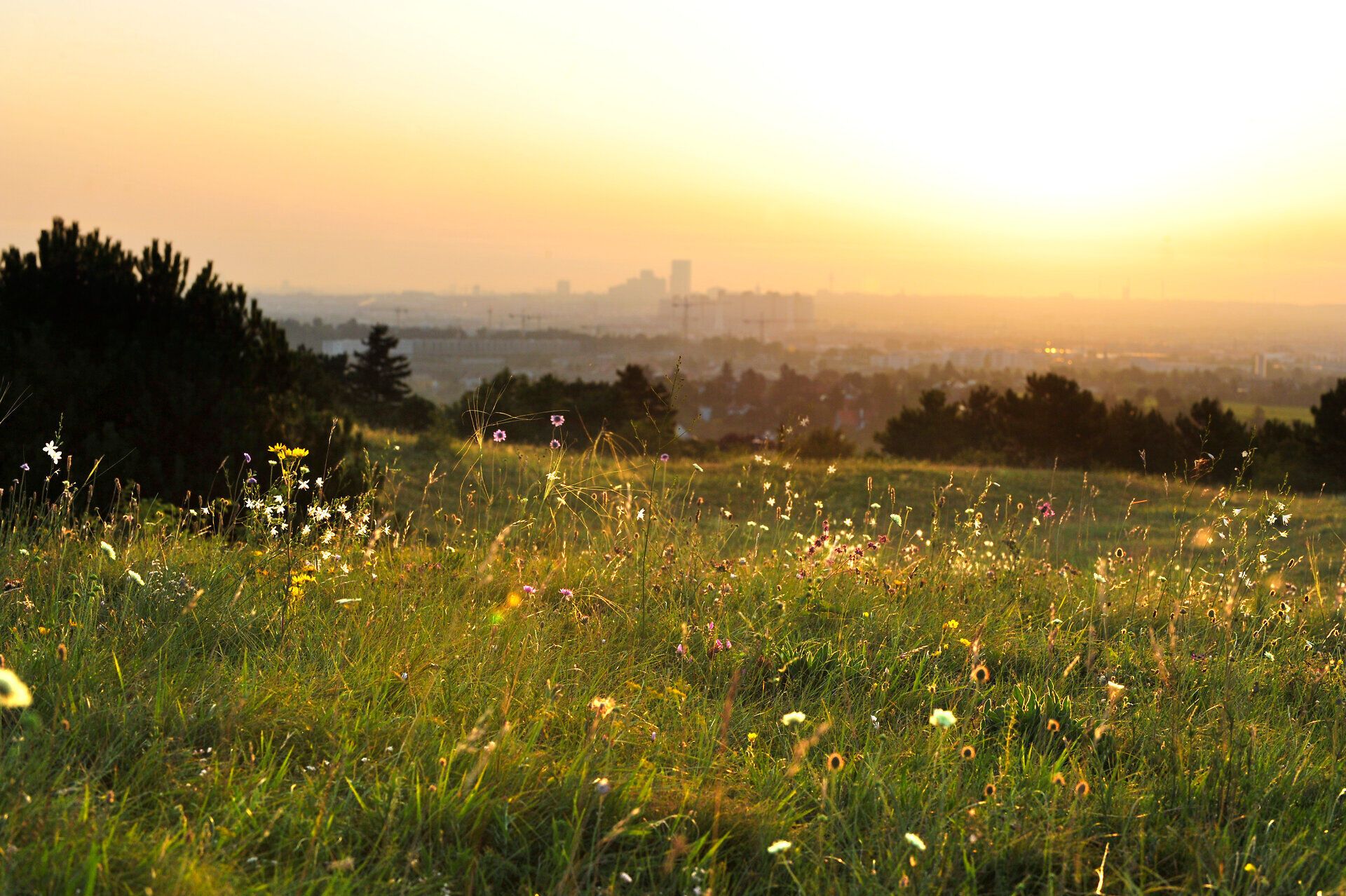
  • Die sanften Hügel des Naturparks Föhrenberge erstrahlen im warmen Licht der Abendsonne, während bunte Wildblumen das grüne Gras schmücken. Ein Gefühl von Ruhe und Freiheit durchzieht die Luft, perfekt für einen entspannten Sommerabend in der Natur.
    ©© Naturparke Niederösterreich/Robert Herbst

    Facts about the nature reserve

  • Die sanften Hügel des Naturparks Föhrenberge erstrahlen im warmen Licht der Abendsonne, während bunte Wildblumen das grüne Gras schmücken. Ein Gefühl von Ruhe und Freiheit durchzieht die Luft, perfekt für einen entspannten Sommerabend in der Natur.
    ©© Naturparke Niederösterreich/Robert Herbst

    Nature Park Philosophy